


Playout: Earn Money
4.62.05K Reviews
App Specs
- Version
- 1.17
- Updated On
- License
- Free
- Downloads
- 1,000,000+
- Developer
- Loyalty Gaming
- Categories
- Lifestyle
- Platform
- Android
Screenshots
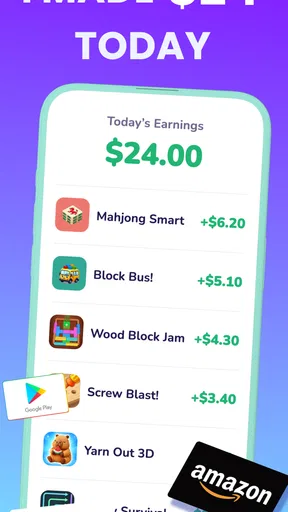
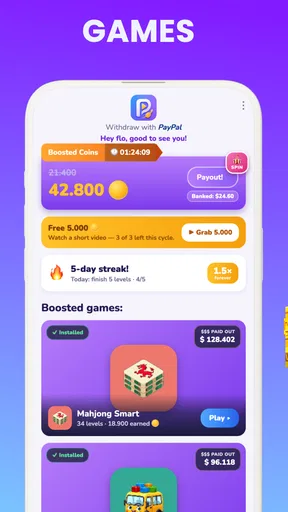
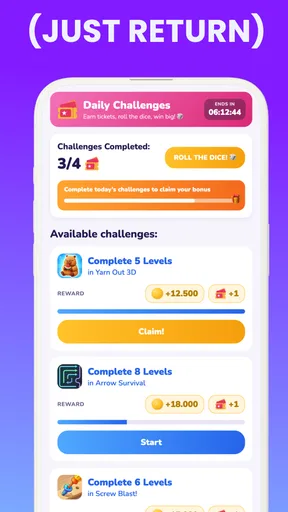
 Analysis by AppCompare
I see Playout: Earn Money as a lifestyle app for people curious about getting something back from activities they already do. That idea is appealing, but it also calls for realistic expectations: a free app can be worth trying without being a dependable way to earn income. My view is that Playout is best approached as an optional extra, not a reason to change your routine or spend time chasing a payout.
What free access means here
Playout is free to download, so there is no purchase price to weigh against its potential value. That makes trying it a lower-commitment decision than paying upfront for a rewards service. Free access is not the same as guaranteed financial value, though. I would judge it by whether using it fits naturally into my day and whether the reward process feels worthwhile to me.
The app comes from Loyalty Gaming and sits in the lifestyle category. Its premise connects rewards with things users already do, rather than asking them to treat it like a conventional budgeting or work app. That distinction matters: I would not install it expecting a salary, a fixed return, or a replacement for a paid task platform. I would consider it only if I was comfortable exploring a rewards-oriented app on its own terms.
Playout has an average rating of 4.5 from around 18,000 ratings, and it has passed 100,000 installs. Those figures suggest that plenty of people have been willing to try it, but they cannot tell me how much any one person earns or how well the app fits my habits. Ratings are a useful starting signal, not a promise of personal results.
How I would judge the value
I would start with a simple question: does the app reward something I would have done anyway, or does it encourage me to spend extra time and attention? The first case can make a free app feel worthwhile even when the reward is modest. In the second, the time cost may outweigh what I get back. That is the key calculation I would keep in mind before making Playout part of a routine.
I would also separate entertainment from earnings. If I enjoy the experience and the rewards are a pleasant bonus, the value may be there for me. If I only care about maximizing money per hour, I would compare my actual time spent with the reward I receive and stop if the balance feels poor. The app’s name may set an expectation, but I would let my own results—not the promise of earning—decide whether it deserves a place on my phone.
What “free” does and does not settle
When I weigh a free app, I do not stop at the download price. I also ask whether it takes time, focus, or a change in routine to get anything useful from it. That is especially relevant here because the central appeal is a possible reward connected with everyday activity. The value is personal: someone who enjoys experimenting during downtime may be content with a small return, while someone looking for dependable earnings may find the same experience disappointing.
Worth Reading Before You Choose

Baby Panda World Brings Quick Play to Modern Phones, but Its Game Library Feels Busy

ESPN’s Live Game View Makes Following Close Games Easier

QuizzLand Review: A Good Fit for Short Trivia Breaks, Not Every Player

Basketball Stars: Multiplayer Is Fast, but Can It Recover When Matches Go Wrong?

WEBTOON Turns Phone Updates Into a Better Reading Routine

Link to Windows Runs on Shared Habits, Not Social Feeds
I would not treat the absence of an upfront charge as a reason to keep using the app indefinitely. A brief trial is still a choice, and the time spent exploring it could go elsewhere. I find it useful to make that distinction early: the app can be financially free to try while still carrying an attention cost. That framing keeps the decision practical instead of making “free” sound like an automatic benefit.
For the same reason, I would avoid making a purchase decision based on hypothetical rewards. There is no paid access price to compare with a guaranteed return here; the sensible question is whether the free experience is worthwhile on its own. If the answer depends on spending more time than I intended or hoping that future use will somehow make earlier sessions worthwhile, I would step back and reassess.
Where it may fit into a real day
A realistic use case is someone who already has a small pocket of downtime and wants to see whether Playout can make that time feel more rewarding. For example, I might check it during a break I was already taking, then close it when the break ends. I would avoid extending that break just to pursue a reward. This boundary keeps the app from quietly turning spare time into another obligation.
Another useful approach is to treat the first few sessions as a trial rather than building a habit immediately. I would pay attention to how clear the steps feel, how much attention they require, and whether the outcome seems worth repeating. If the experience fits easily between existing tasks, that is a point in its favor. If I find myself checking repeatedly or rearranging my day around it, I would reassess rather than assume persistence will improve the value.
A practical tip is to decide in advance what “worth it” means for you. That might be a comfortable amount of time, a reward that feels meaningful, or simply an enjoyable break. Having a personal threshold helps avoid the sunk-cost trap of continuing only because you have already spent time on it. I would also keep ordinary phone use separate from reward-seeking: open the app intentionally, then leave when I have finished what I planned to do.
Compared with a standard lifestyle or habit app, Playout’s appeal is its rewards angle. A typical tracker may focus on logging behavior, reminders, or personal goals; Playout is for someone interested in connecting activity with a possible benefit. Compared with survey or task apps, the pitch is different again: those often ask users to complete explicit jobs, while Playout frames rewards around things they already do. I would choose among them based on what I actually want—tracking, structured tasks, or a more casual rewards experiment—rather than assume one approach pays better.
A low-pressure way to test the fit
I would make the first session an evaluation, not a commitment. Before opening the app, I would decide how much of an existing break I am willing to spend exploring it. Afterwards, I would ask whether I understood what I was doing, whether the process held my interest, and whether I would have chosen to spend that time on it without the possibility of a reward. Those questions help separate genuine enjoyment from the feeling that I should continue simply because I started.
It can also help to compare the app with the activity it would replace. If I normally spend a few minutes idly scrolling, trying Playout in that same window may feel like a reasonable swap. If it displaces a proper rest, a conversation, or a task I have been putting off, the trade may be worse even if the app itself is easy to use. The useful comparison is not only with other reward apps; it is with the best alternative use of that particular time.
For someone with an irregular schedule, I would be particularly careful about turning occasional use into a daily target. The appeal is strongest when the app fits around what is already happening, not when a person starts reorganizing a day to make room for it. Keeping it as an occasional experiment also makes it easier to notice whether the experience remains enjoyable or starts to feel like a chore.
What to keep in mind before installing
There is a meaningful tradeoff in any rewards-based app: attention has value even when downloading costs nothing. Time spent learning an app, checking progress, or deciding whether to continue is part of the real cost. Playout may be a poor fit for someone who dislikes reward mechanics, wants a predictable return, or is trying to reduce time on their phone. In those cases, a simple activity tracker—or no app at all—may serve them better.
I would also be cautious about treating other users’ ratings as a forecast. A 4.5 average can make an app look promising, but different people have different schedules, expectations, and tolerance for interruptions. The more useful test is whether the experience works for your own routine. If it does not, a strong overall rating is not a reason to keep using it.
The age rating is Mature 17+, so this is not an app I would recommend for younger users. That rating is an important part of the decision for families and anyone setting up a device for a teenager. I would check the age guidance before installing, rather than treating the free price as the only consideration.
The current version is 1.7, and the minimum operating-system requirement is 7.0. In practical terms, I would check that my device meets the requirement before trying it. The version number is useful context, but by itself it does not tell me how the app will behave on every device or whether its reward experience will suit me.
Questions I would answer before making it a habit
Would I need to use it every day to make it worthwhile? I would not assume so. I would first see whether occasional use fits my schedule and produces an experience I value, rather than setting a daily expectation before I know how it feels. If I only find it worthwhile when I am checking constantly, that would be a warning that the app is taking more attention than I want to give it.
Can I count on it as a source of income? I would not plan around that. A rewards app can be an interesting extra, but it is not the same thing as paid work with a defined task and known compensation. Anyone who needs reliable money should look for an option with a clearer connection between work performed and payment, and treat Playout as separate from that plan.
What if I try it and decide it is not for me? I would stop using it rather than trying to justify the time already spent. A free download does not create an obligation to continue. I would also avoid changing other habits just to make the trial feel successful; if the app does not naturally suit my downtime, that is a valid result, not a failure to use it properly.
Does a high average rating settle whether I will enjoy it? No. It tells me that many people have rated the app positively, but my decision still depends on whether its approach suits my expectations and routine. I would use the rating as a reason to consider a short trial, not as proof that the rewards will be worthwhile for me.
Who is most likely to get something from it?
I can see Playout appealing to adults who are already comfortable using lifestyle apps and who regard rewards as a small extra rather than a financial plan. It may suit someone who likes trying new ways to make existing downtime feel more engaging, provided they are willing to judge the experience on its actual usefulness. The strongest case is for a person who can use it casually, without changing plans or expecting a guaranteed payoff.
I would skip it if I needed reliable side income, disliked having another app compete for attention, or preferred a transparent, task-by-task arrangement. Someone who wants to earn through defined freelance work may be better served by a platform built around paid assignments. Someone focused on routines may prefer a dedicated tracker without a rewards layer. Those alternatives may fit the goal more directly, even if they do not offer Playout’s particular premise.
For anyone unsure, I would make the trial deliberately small: install it only if the age and device requirements suit you, explore it during time you already have free, and assess whether the experience is enjoyable and worthwhile. If it starts influencing choices you would otherwise make differently, that is a good signal to pause. A free download should still earn its place through usefulness.
My verdict on trying Playout
The best reason to try Playout is curiosity about a free, rewards-focused lifestyle app—not confidence in a particular income. I like the idea of getting some added value from familiar activities, and the app’s audience size and average rating make it reasonable to consider. But neither those signals nor the free price settles the question of whether it will be worthwhile for you personally.
I would recommend giving it a measured try if you are an adult, your device meets the requirement, and you can keep it within existing downtime. I would not recommend relying on it for bills, pursuing rewards at the expense of other priorities, or installing it if you already know that reward loops frustrate you. That is the clearest distinction between a harmless experiment and a poor fit.
Overall, Playout: Earn Money is most convincing as an optional way to explore rewards around everyday activity. Its free access lowers the barrier to testing it, while the real value depends on whether the experience fits your routine without demanding extra effort. I would try it with modest expectations, keep track of the time I give it, and continue only if the return—financial or simply enjoyable—feels fair to me.
Pros
- Simple tasks make it easy to get started.
- Offers a way to earn rewards during spare time.
- A variety of activities can keep the experience engaging.
- The app is free to download.
- Reward progress gives users a clear goal to work toward.
Cons
- Earnings may be small and take time to accumulate.
- Some rewards may require reaching a high redemption threshold.
- Task availability can vary by user or location.
- Ads or promotional offers may interrupt the experience.
- Check the payout methods and terms before investing time.
FAQs for Playout: Earn Money
What is Playout: Earn Money?
Playout: Earn Money is a rewards app that offers users ways to earn points or other rewards by completing activities, such as playing games or engaging with offers. The exact tasks and reward options may change over time and can depend on your location. Before you start, check the app’s current description and terms so you know which activities are available and what they require.
Can I really earn cash with Playout: Earn Money?
The app may let eligible users exchange accumulated rewards for cash or other redemption options, but earnings are not guaranteed and should not be treated as a reliable source of income. How much you can earn depends on the offers available, your activity, and the applicable rules. Review the minimum redemption amount, payment methods, and any eligibility conditions before spending time on tasks.
How do I earn rewards in Playout: Earn Money?
After installing the app, explore its available activities and read the requirements for each one before participating. Some offers may ask you to play a game, reach a milestone, or complete another action within a set period. Make sure you follow the instructions precisely; an offer may not track if you already installed the promoted app or do not meet its conditions.
Is Playout: Earn Money safe to use?
As with any rewards app, take a moment to review its privacy policy, permissions, and terms before providing personal information or connecting accounts. Download it through an official app store when available, and avoid sharing passwords or payment details outside trusted payment flows. Offers may involve third-party services, so check what information those providers request and decide whether you are comfortable proceeding.
Why might an activity or payout not appear in my account?
Rewards can take time to track or be credited, particularly when an offer is fulfilled through a third-party provider. Check that you met every requirement, used the correct device and account, and allowed any required tracking permissions. If a reward is missing or a redemption is delayed, consult the app’s help section and contact support with the offer details and relevant evidence.


